Monday, March 3

Letter from Africa: Miniskirts and morals


In our series of letters from African journalists, film maker and columnist Farai Sevenzo considers plans to ban miniskirts in Uganda.

April has given us a clutch of anniversaries and the usual mix of anxieties dressed as news.

South Africa turned 19, Zimbabwe turned 33 and we wondered what would become of Mali as it was decided a UN peacekeeping force would take over from the French, while the French themselves had an embassy bombed in Libya and Somalia's al-Shabab showed signs of a pulse still beating in its violent heart.
Continue reading the main story

Start Quote

If a woman wears a miniskirt, we will arrest her”
Simon Lokodo
Uganda's ethics and integrity minister

African athletes won a couple of international marathons and Kenya's new cabinet had a woman defence minister for the first time and more was said by financial analysts about the rapid economic growth on the continent.

You would think, then, as an Africa watcher that the usual mix of information filled the newspapers and cyberspace with the political and financial.

But a quick glimpse of the press in Uganda showed us that the month of April was also about "integrity and ethics" because Simon Lokodo, Uganda's ethics and integrity minister, was railing against the miniskirt in his preparation of a proposed anti-pornography bill.

"Any attire which exposes intimate parts of the human body, especially areas that are of erotic function, is outlawed. Anything above the knee is outlawed. If a woman wears a miniskirt, we will arrest her," pronounced the minister in a confusing bid to preserve the nation's modesty.

In truth Mr Lokodo has joined a long list of men - for it is usually men - who have taken offence at what women wear throughout independent Africa for decades.

Hastings Banda, Malawi's independence leader, was a stickler for conservative dress
Cultural colonialism

Hastings Kamuzu Banda's Malawi banned the same skirt and frowned at women wearing trousers back in the days when dictatorship was hip and fashionable - Uganda's Idi Amin did not much like that particular skirt either.

An explosion of cultural colonialism in the form of hip-hop, pop, belly dancing, pole dancing, satellite television - which beams the dramas of other lives into African homes and the fashions of a recklessly cool world youth into African minds - has had the likes of Mr Lokodo scrambling to hold back the waves of moral corruption he imagines are coming his way.

Mr Lokodo's Anti-Pornography Bill has not defined "pornography" as we may or may not encounter it on the streets of Kampala, nor does it tell us what his ministry intends to do about the very real pornography available at the touch of a cursor on the World Wide Web of which Uganda is a part.
Continue reading the main story

Start Quote

This line of argument fails to acknowledge that people who rape or are driven to drooling uncontrollably at the sight of a female thigh with which they are not well acquainted are provoked only by the demons in their own heads”

Yet to be fair to the minister of ethics and integrity, a far more insidious vice than women's summer wear has been arriving in African cities, and by chance, in 2012, Kampala police arrested a foreigner who had been recording pictures of himself engaging in sexual acts with Ugandan children.

No law existed to give him more than the two years in prison or a 6m Ugandan shilling ($2,318, £1492) fine on offer under the Computer Misuse Act, and the criminal simply paid the fine and was released - only to be hauled back to jail because of the public outcry which ensued. He is to now face a new trial, including charges of indecent exposure.

The huge net of globalisation that has given us Chinese architecture and mobile phone companies of every persuasion that have opened up our capitals, has not been discriminating about who or what comes in to shred our traditional values and corrupt our young.

Some argue pornography leads to increased sexual violence - although others say it does not.
'Objects of attraction'

The Anti-Pornography Bill up for discussion in Uganda says there has been "an increase in pornographic material in the Ugandan mass media and an increase in nude dancing in the entertainment world… One of the dangers pornography poses is that it fuels sexual crimes against women…" and the bill seeks to slap a 10m shilling fine and/or 10 years in jail on anyone who engages in pornography, dirty dancing and minimalist attire.


Last year, South Africans marched in protest against attacks on women in miniskirts

Yet while Minister Lokodo's intentions may have been to protect Ugandans from the morally degenerate, he has taken his very broad assegai (spear) to personal freedoms and ignited the long-running debate about where sexual crimes begin - with the criminals or with victims because of what they are wearing?

Women, he alleged, should not wear provocative clothing and men, he says, are not usually the "object of attraction and can go shirtless" on the beach.

This line of argument gets us all nowhere very fast and fails to acknowledge that people who rape or are driven to drooling uncontrollably at the sight of a female thigh with which they are not well acquainted are provoked only by the demons in their own heads and pander to their basest natures.

As a former Catholic priest, Minister Lokodo would know a thing or two about demons, and know too that the best place to get rid of them is through the church, not via government statutes.

Should prayer fail, there will always be a Ugandan jail. And the miniskirt has very little to do with it.

Thursday, February 13

10 Most Powerful Nelson Mandela Tributes

The news of Nelson Mandela’s death reverberated across the globe, eliciting numerous heartfelt tributes from admiring citizens, politicians, and more. It seems that nearly everyone, whether they agreed with Mandela’s policies or not, recognized the enormous impact he had on South Africa and the world. 


The Soweto Gospel Choir’s Woolworths Flashmob One of the more recent and surprising tributes came in a Pretoria Woolworths department store. The Soweto Gospel Choir surprised shoppers with a moving rendition of Johnny Clegg’s “Asimbonanga.” (Translation: We have not see him.) Originally, the choir was going to sing James Brown’s “I Feel Good” as a marketing pitch for the store, but changed its tune after Mandela died.


Bill Keller’s New York Times obituary Bill Keller wrote an extensive obituary that provided a comprehensive look at Mandela’s life and influence. Keller was well equipped for the piece, having served as the newspaper’s former Johannesburg bureau chief in the 1990s and interviewed Mandela in 2007. The obituary includes unpublished comments from the interview, including reproaches of his successors, as well as this powerful line, “Hating clouds the mind. It gets in the way of strategy. Leaders cannot afford to hate.”
Maya Angelou’s “His Day is Done” At the request of the U.S. State Department, Maya Angelou penned “His Day is Done” as a tribute poem on behalf of the American people to Mandela. Circulated in 15 languages, the poem praises Mandela’s endurance and commitment to freedom, and compares him to David slaying the mighty Goliath.


Jacob Zuma leading “Thina Sizwe” It’s well known that Jacob Zuma received more boos than cheers when he took the stage in Johannesburg at Mandela’s memorial service, but he struck a different tone at the funeral in Mandela’s home town in Qunu. After stepping up to the microphone, he began to sing “Thina Sizwe,” a song from the apartheid era representing the struggle and determination for freedom. Hundreds joined in, and many even continued after it ended with “Nelson Mandela,” another moving struggle-era song.


Tony Leon’s Tribute, 15 Years Ago Tony Leon, a member of the opposition party to the ANC, refused to join Mandela’s cabinet when asked. But when Mandela’s presidency was drawing to a close, Leon stood in front of parliament to praise the country’s first black president. He said, “People might think it is difficult for a politician to give tribute to a man of an opposing party. In fact this is the easiest speech I have ever delivered to this house…My respect and admiration for him is unconditional. He graces this house. He graces this country. He graces humanity.”


The Eiffel Tower Following Mandela’s death,  the Eiffel Tower in Paris was lit up for six nights in commemoration thanks to the Institut Français and the National Arts Council of South Africa, along with the City of Paris and Société d’Exploitation de la Tour Eiffel. The inscription, “Nelson Mandela 1918-2013″ was lit in enormous letters, and sky projectors flashed the colors of the South African flag. The tribute was especially touching on Dec. 16, South Africa’s Day of Reconciliation. 


Botlhale Boikanyo’s poem on “South Africa’s Got Talent”

The year before Mandela died, 11-year-old Botlahle Boikanyo performed on “South Africa’s Got Talent” with a moving poem that paid tribute to Nelson Mandela, or Tata. Naturally, she won, and it’s definitely worth a listen. When she pulled a South African flag from the pocket of her orange prison jumpsuit at the end, there may not have been a dry eye in the house.

The Johannesburg Shul and the story of Joseph Nelson Mandela was dubbed by many as the “Joseph of South Africa” for his commitment to reconciliation and rejection of violence after the end of apartheid. Remarkably, the story of Joseph was the Torah portion the weekend after Mandela’s death. Rabbi Warren Goldstein recounted to a crowd of thousands in Johannesburg Joseph’s — and Mandela’s — story of overcoming years of imprisonment to lead his nation.


Joyce Banda’s eulogy At the final memorial service in Qunu, Joyce Banda, the first female and current president of Malawi, delivered a eulogy that brought hundreds to their feet. From the beginning, she strayed from her prepared speech and said this instead, “After three years of isolation, humiliation and name calling, I found myself in a situation where I had to work with those who had desired to prevent me from becoming president of my country. I had to forgive, but I had to forgive them without any effort, because my Madiba had prepared me.”


Desmond Tutu’s call for unification Archbishop Desmond Tutu has long been considered one of Mandela’s closest friends and confidants, and indeed their combined commitment to a free and equal South Africa has had enormous influence on the country today. So Tutu’s words following Mandela’s death were especially poignant. “The sun will rise tomorrow. It will not be as bright as yesterday. But life will carry on…God is asking South Africans, please become what you are, show the world we are members of one family. We belong together.” 

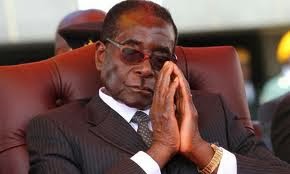
10 Things You Didn’t Know About Robert Mugabe

Robert Mugabe, 89, is undoubtedly a controversial figure, but many are familiar only with the details of his most public life. Both his childhood and adult life are filled with surprises, many of which influenced decisions during his numerous terms as Zimbabwe’s president.


Mugabe is the product of a religious upbringing Both of Robert Mugabe’s parents were extremely religious, and strict with their son. Throughout his childhood, he attended Jesuit school, and credits an Irish priest as one of his most influential mentors in his youth. 


Two of his brothers died when he was young Sadly, Mugabe lost both of his older brothers by the age of 10. One died from poisoning, while the other passed away not long after their father abandoned the family.


Mugabe has a strong background in education Many are aware that Mugabe has always been a strong proponent of education. Zimbabwe’s literacy rate reached the highest of any African country during his presidency. This is in large part due to the fact that Mugabe worked as a school teacher prior to beginning his political career, first teaching in Ghana and then returning to Zimbabwe to join the revolution against the white government of Rhodesia.


He has seven university degrees

Six of Mugabe’s university degrees were actually earned while he was doing distance learning in prison. They cover a broad range of topics including education, economics, administration, and law. Degrees include a Bachelor of Laws and Master’s of Laws from the University of London’s external program, earned during his stint in a Salisbury prison.


After his release from prison, he escaped Zimbabwe with the help of a white nun

Though the Rhodesians did release Mugabe from prison, he was not supposed to leave the country. A white nun helped him to cross into Mozambique, where he was able to rejoin the revolutionary armies.

He was a Nobel Peace Prize nominee In 1981, Mugabe was on the short list for the Nobel Peace Prize for his initial stance about reconciliation following Zimbabwe’s independence and his election as the country’s first president. He said, “Our people, young and old, men and women, black and white, living and dead, are, on this occasion, being brought together in a new form of national unity that makes them all Zimbabweans.” 


He had an extramarital affair while his wife was dying from cancer While his first wife was struggling with her cancer, Mugabe started up with his private secretary, Grace. When it came out that she was pregnant with his child, he ignored popular opinion and married her in 1996. 


Many honors he received from various institutions have been revoked As the number of human rights violations perpetrated by Mugabe have increased, many of his honors have been revoked. For instance, Queen Elizabeth II rescinded his knighthood in 2008, the Hunger Project took back his 1988 award of the Africa Prize for Leadership for the Sustainable End of Hunger, and numerous universities have revoked honorary degrees, including Michigan State University, University of Massachusetts, and the University of Edinburgh.


He plans to run for president again in 2018 Mugabe won the most recent election in Zimbabwe in 2013 with 61 percent of the vote, but it is widely believed that voter fraud occurred. Despite this, and despite his advanced age, Mugabe has announced his intention to run again for election in 2018 for the office that he has held since 1987.

Wednesday, January 29

bunduki: Female millionaire found working as street cleaner...

bunduki: Female millionaire found working as street cleaner...: Many people were surprised to learn that the woman, who is cleaning their street, is a millionaire. Yu Youzhen, 54, is worth 10 million y...

Female millionaire found working as street cleaner for the sanitation department


Many people were surprised to learn that the woman, who is cleaning their street, is a millionaire.

Yu Youzhen, 54, is worth 10 million yuan ($1.6 million).

However, she lives a simple lifestyle and she works hard.

Yu works for the sanitation department as a street cleaner and earns $230 a month.

When asked why she decided to go back to work and work so hard when she has so much money, Youzhen responded that she wants to be a good example for her children and teach them good work ethics.

"The work is not just about wages, it gives me something to do, which is very important,” Youzhen said.

Youzhen said that she made it very clear to her children that if they work, they will inherit her fortune, but if they refuse to work and choose to sit around and live off their parents, then she will not leave her fortune to them.

Youzhen is a great role model to her children, as she does not sit around. She works hard as a street cleaner in the city of Wuhan.

She said that her son and daughter both work. Her son is a truck driver and her daughter has a full-time job.

Youzhen’s rags to riches story began five years ago when the land she and her husband owned was acquired by the Chinese government for property development.

In exchange for their land, the couple got 21 real estate properties, which brought them a lot of income and made them millionaires.

JE! UNAYAFAHAMU MAVAZI YASIYORUHUSIWA OFISI ZA UMMA


Wizara ya utumishi wa umma imetuma waraka unaotoa mwongozo wa mavazi kwa watumishi wote wa ofisi za umma na wananchi wote wanaohitaji huduma ktk ofs hizo.

Waraka huo namba 3 wa mwongozo wa mavazi wa mwaka 2007 unawatka wafanyakazi wote wa ofisi za umma na wananchi wote kutokuvaa mavazi yafuatayo:-
-Jeans
-Nguo zenye maandishi yoyote
-Nguo zinazobana mwili wako
-Nguo zilizo juu ya magoti (sketi/gauni)
-Kaptula
-Pedo
-Jezi za timu za mpira
-Nguo za chama chochote cha siasa
-Suruali ambazo hazijapindwa
-Blauz zinazoacha kifua/mgongo wazi
-Kuvaa mlegezo
Waraka huo ulikuwepo ila uekelezaji haukufanyika,hivyo kwanzia mwaka huu utaanza kutumika nchi nzima.
Wananchi usiende ofisi za umma ukiwa umevaa mavazi tajwa hapo juu,utaishia kufukuzwa bila kuhudumiwa…
@Jamii Forum
Soma sehemu ya waraka huo hapa chini:-
JAMHURI YA MUUNGANO WA TANZANIA OFISI YA RAIS
Kumb. Na. EG.45/86/01/”A”/2 12/9/2007
WARAKA WA UTUMISHI WA UMMA NA 3 WA MWAKA
2007 KUHUSU MAVAZI KWA WATUMISHI WA UMMA
Utangulizi:
Waraka wa Utumishi Na. 1 wa mwaka 1971 unaohusu mavazi ulitokana na mwongozo uliotolewa na Chama cha TANU kuhusu mavazi. Madhumuni ya waraka huo ilikuwa kuimarisha heshima ya Taifa kwa kuhakikisha kuwa watumishi wa Serikali wanavaa mavazi ya heshima wanapowahudumia wananchi. Waraka huo uliainisha baadhi ya mifano ya mavazi ambayo yalionekana hayafai na yale yanayofaa kwa wanawake na wanaume, utengenezaji wa nywele unaofaa na usiofaa na vipodozi visivyokubalika.
Hali ilivyo sasa:
2. Tangu waraka huo ulipotolewa kumekuwepo na mabadiliko makubwa ya mitindo ya mavazi, nywele na vipodozi. Mabadiliko ya mitindo ya mavazi ni jambo lisiloepukika. Hata hivyo baadhi ya mitindo hiyo ya mavazi inashusha heshima na hadhi ya utumishi wa umma kama itaendelea
kuvaliwa na ni kinyume na kifungu cha 2 (e) cha kanuni za Maadili ya utendaji katika utumishi wa umma za mwaka 2005 Hata hivyo kumekuwepo na tatizo la kutokuwepo na tafsiri inayoeleweka juu ya mavazi gani ni ya heshima au yanayokubalika na yasiyokubalika mahali pa kazi.
2
Uamuzi wa Serikali:
Tafsiri ya mavazi ya heshima hutegemea mila na desturi ya jamii husika. Katika utumishi wa umma mavazi ya heshima kwa mtumishi wa umma ni yale ambayo yanazingatia mila na desturi za taifa letu ambayo yanapovaliwa hayaonyeshi sehemu ya maungo ya mwili ambayo hayakuzoeleka kuachwa wazi, hayabani na ambayo hayana michoro au maandishi ya kudhalilisha wengine au yanayoonyesha ushabiki wa kitu fulani. Kwa hiyo waraka huu unatoa ufafanuzi kuhusu mavazi nadhifu yanayopaswa kuvaliwa kazini kwa kutoa mifano michache ya mavazi ambayo siyo ya heshima na ambayo hayakubaliki katika utumishi wa umma kwa jinsi zote mbili.
Utekelezaji:
3. Ufuatao ni ufafanuzi wa mavazi yasiyokubalika mahali pa kazi ambayo pia yameonyeshwa kwa picha kwenye kiambatisho A na B. Nguo kama “Jeans” na fulana zinaweza kuvaliwa na watumishi ambao wanalazimika kufanya kazi za nje ya ofisi.
3.1 Kwa Wanawake
(i) Baadhi ya mavazi yasiyofaa:
• Nguo zinazobana,
• Nguo fupi ambazo zinaacha magoti wazi.
• Nguo ambazo zinaacha sehemu ya mwili wazi kama
vile kitovu na kifua,
• Nguo ambazo zina picha, michoro, na maandishi ambayo hayaendani na shughuli za serikali,
• Kaptura aina yoyote ile kama vile pedo na pensi,
• Nguo zinazoonyesha maungo ya mwili (transparent).
• Suruali za “Jeans”,
• Suruali yoyote iliyoachwa bila kupindwa,
• Fulana – “T-Shirts” (Hizi zivaliwe tu wakati wa shughuli maalum inayotambulika),
• Nguo ambazo ni za kazi maalum – michezo, kazi za nje au burudani. Hizi zivaliwe mahususi wakati wa utekelezaji wa shughuli hizo,
• Nguo yenye maandishi ya chama chochote cha siasa au ushabiki wa kitu fulani,
• Nguo yeyote inayopingana na maadili ya utumishi wa umma.
(ii) Nywele zisizofaa:
• Nywele chafu na ambazo hazikutengenezwa vizuri.
(iv) Viatu visivyofaa
• Kandambili,
• Viatu vya michezo (isipokuwa wakati wa shughuli
maalum za michezo),
3.2. Kwa Wanaume
(i) Baadhi ya mavazi yasiyofaa:
• Nguo ambazo ni za kazi maalum kama vile michezo (Hizi zivaliwe wakati wa shughuli hiyo tu).
• Nguo ambazo zina michoro, maandishi na picha ambazo haziendani na shughuli za serikali.
• Nguo zinazobana,
• Kaptura ya aina yoyote.
• Suruali yoyote inayoachwa bila kupindwa.
• Suruali za “Jeans” na Fulana “T-shirts” (Hizi zivaliwe tu wakati wa shughuli maalum inayotambulika).
• Kikoi au msuli
• Nguo zenye maandishi ya chama chochote cha siasa na yenye kuonyesha ushabiki wa kitu fulani.
• Nguo yeyote inayopingana na maadili ya utumishi wa
umma.
(iii) Nywele zisizofaa:
• Nywele chafu na ambazo hazikutengenezwa vizuri.
• Nywele zilizosukwa mitindo ya aina yoyote ile
• Ndevu zisizotunzwa vizuri.
(iv) Viatu visivyofaa:
• Kandambili,
• Viatu vya michezo( Labda wakati wa shughuli maalum
za michezo).
Mwisho:
4. Kwa waraka huu waajiri wote wanapaswa kuwaelimisha watumishi kuhusu mavazi yasiyokubalika na kusimamia kikamilifu suala la mavazi kwa watumishi wa umma .
5. Waraka huu unafuta Waraka wa Utumishi Na.1 wa mwaka 1971 na unaanza kutumika mara moja.
George D. Yambesi
KATIBU MKUU
(MENEJIMENTI YA UTUMISHI WA UMMA)

CHADEMA yauchokonoa Usalama wa Taifa....Mbunge wa Mbeya Mjini, Joseph Mbilinyi (Sugu) atamba kuwa maofisa wake hutoa siri kwao

CHAMA cha Demokrasia na Maendeleo (Chadema), kimesema mafanikio kinayopata yanatokana na maofisa wa Idara ya Usalama wa Taifa kutoa siri kwao.

Kauli hiyo imetolewa juzi mjini hapa na Mbunge wa Mbeya Mjini, Joseph Mbilinyi (Sugu), wakati akihutubia mkutano wa hadhara kwenye Viwanja vya Ruanda, Nzovwe.

Alisema hatua ya nchi kuyumba, inatokana na Serikali kutowajali maofisa wa Idara hiyo, hali inayowalazimu kuvujisha siri kwao.

Mbilinyi, alitoa siri hiyo baada ya kudai wamepata taarifa ya Chama Cha Mapinduzi (CCM), kupeleka vijana 300 kambini katika Shule ya Sekondari Chimala, wilayani Mbarali, kwa ajili ya mafunzo ya kuvuruga mikutano ya CHADEMA.
  

“CCM imepasuka na ndiyo maana tunapata siri zote na popote palipo na maofisa usalama zaidi ya watatu, mmoja wao ni wa CHADEMA na walipo maofisa watatu au wanne wa Polisi, wawili ni wetu,” alisema Mbilinyi.

Kwa upande wake, Katibu Mkuu wa CHADEMA, Dk. Willbrod Slaa, alisema kutokana na taarifa hiyo, ameagiza kukutana na vijana wake wa kikosi cha Red Brigade kwa ajili ya kukabiliana na vijana wa CCM.

Alisema wamepata taarifa kuwa Serikali inataka kutumia jopo la waganga wa kienyeji kuwashughulikia wapinzani, lakini yeye hawatamuweza, kwa sababu ni mganga wa jadi ambaye anatoka Karatu.

Kutokana na kauli hiyo, Umoja wa Vijana wa Chama Cha Mapinduzi (UVCCM) Mkoa wa Mbeya, ulilazimika kuitisha mkutano wa waandishi wa habari kukanusha tuhuma hizo.

Mwenyekiti wa UVCCM Mkoa wa Mbeya, Aman Kajuna, alisema chama hicho kimepeleka vijana wasiozidi 280 kwenye makambi kwa ajili ya kutoa mafunzo ya halaiki ya sherehe za miaka 37 ya CCM, zitakazofanyika kitaifa mkoani hapa.

Hata hivyo, baadhi ya waandishi wa habari mkoani Mbeya, walitembelea kambi hiyo baada ya mkutano wa Chadema uliofanyika karibu na Shule ya Chimala na kukuta vijana hao, wakifanya mazoezi ya kuimba nyimbo nyingi za kuzaliwa CCM.

>>Mtanzania

MABASI YA MWENDO KASI YAANZA MAJARIBIO JIJINI DAR

Mmoja ya basi la mwendo kasi likikatiza mtaa wa Lumumba ikiwa sehemu ya majaribio ya mabasi hayo ambayo yanaaminika yataondoa kabisa tatizo la usafiri katika jiji la Dar.


Reasons Nigeria is about to become Africa's biggest economy

South Africa’s days as top dog on the continent are numbered. Booming, bustling Nigeria is about to become Africa’s biggest economy.  
So pop open a bottle of Moet & Chandon — after all, from 2012-2013, seven Nigerian branches of South African supermarket group Shoprite sold more of the bubbly than its 195 South African shops combined, a sign of Nigeria’s effervescent economy as well as the tastes of its ostentatiously wealthy elite.

As you read this, Nigeria, despite its endemic corruption, grinding poverty, and sectarian violence, has probably already passed into the No. 1 slot, just not officially. How, and why? It’s all about the numbers. GlobalPost breaks it down:
Population size
The simple fact is that Nigeria has more people — many, many more people: The population of Nigeria is 169 million, compared to a slim 51 million for South Africa.
Of course, South Africa is a far more developed country than Nigeria, with good infrastructure and banks, and a diverse and sophisticated economy. Nigeria, the biggest oil producer in Africa, remains heavily reliant on the oil industry and is plagued by corruption and inequality.
For these reasons, South Africa has a much higher average GDP per capita, at $7,508 compared to $1,555 in Nigeria. Some 100 million Nigerians still live on less than $1 a day.
But in terms of sheer economic weight, there’s just no competing with the most populous country on the continent.
‘Rebasing’
Nigeria’s gross domestic product was $292 billion last year, compared with $354 billion for South Africa, according to International Monetary Fund figures.
But Nigeria’s statistics office is about to change the way various sectors of the economy are weighted when it comes to determining the estimated GDP.
Currently, Nigeria’s GDP figure is based on a weighting from 1990. In other words: It is hugely underestimated. Sectors such as IT and telecoms have grown significantly in recent years, and this hasn’t been taken into account.
Analysts say that Nigeria’s GDP figure could jump by anywhere between 20 and 65 percent when the new calculations are released (expected in early February; there have been several delays already). 
That means Nigeria may see its GDP increase to between $384 billion and $424 billion this year.
Such a leap isn’t unprecedented. Neighboring Ghana’s GDP estimate increased by about 60 percent in 2010 after its figures were rebased. Many other sub-Saharan African countries also think their GDP is underestimated, according to Simon Fraser University professor Morten Jerven, an expert on African development statistics. And so other countries will likely follow suit.
Speedy growth — and lack of strikes
Nigeria’s economy has been growing at a rate of around 6 to 7 percent per year, compared to just 2 to 3 percent for South Africa.
South Africa is starting from a much higher base, of course. But its economy has been limping compared to many others on the continent, not least due to labor unrest in the mining, transport, and auto manufacturing sectors.
Pravin Gordhan, the South African finance minister, said last week that the country can’t afford more strikes in the platinum sector, warning that they would further hurt investor confidence and damage the economy.
On Thursday, however, the main trade union launched a strike over wages at the world’s top three platinum producers. The rand, South Africa’s currency, tumbled to a five-year low.
Nigeria’s growth may yet be hampered by its many problems. The army is fighting an insurgency in the north against the Al Qaeda-linked Boko Haram militant group. In the south, there is persistent violence and banditry in the oil-rich Niger Delta region. Corruption remains a huge drain on the economy.
Nevertheless, it would be a shock if Nigeria didn’t soon become No. 1.
www.globalpost.com

Sunday, January 19

Serikali yawabeba waliofeli kidato cha pili


Dar es Salaam. Wakati Watanzania wakisubiri matokeo ya kidato cha pili mwaka 2013, imebaini kuwa Serikali imetoa agizo kwamba wanafunzi wote waliofeli mtihani huo kuendelea na masomo ya kidato cha tatu, huku wakisoma mafunzo ya kurudia mtihani wa kidato cha pili.
Licha ya matokeo hayo kutotangazwa hadi sasa, imebainika kuwa waliofaulu mtihani huo uliofanywa Oktoba 7 hadi 21 mwaka jana ni asilimia 62 tu, asilimia 31 wakitakiwa kukariri (kurudia) kidato cha pili mwaka huu, huku asilimia saba wakishindwa mtihani huo kwa mara ya pili.
Jumla ya wanafunzi 531,457 walitajwa na Wizara ya Elimu mwaka jana kuwa watafanya mtihani huo.
Uamuzi huo wa Serikali ni tofauti na ule uliotolewa na Waziri wa Elimu na Mafunzo ya Ufundi, Dk Shukuru Kawambwa Novemba 4, mwaka 2012, kwamba kuanzia wakati huo mtihani wa kidato cha pili utakuwa ni wa mchujo na kwamba atakayefeli atatimuliwa.
Dk Kawambwa alisema matokeo ya mtihani wa kidato cha pili yatatumika kama kigezo cha kuchuja na kukariri kidato cha pili kwa watahiniwa watakaoshindwa kufikia wastani wa ufaulu wa alama 30.
Alisema mtahiniwa ataruhusiwa kukariri kidato cha pili mara moja tu na endapo mtahiniwa atashindwa mtihani kwa mara ya pili kwa mwaka utakaofuatia, itabidi aendelee na elimu ya sekondari nje ya mfumo rasmi.
Gazeti hili limeiona barua iliyoandikwa Januari 16 mwaka huu na Wizara ya Elimu na Mafunzo ya Ufundi na kusainiwa na Katibu Mkuu wake, Profesa Sifuni Mchome, kwenda kwa wadau wa elimu nchini, wakiwamo maofisa elimu wa mikoa na Chama cha Wamiliki wa Vyuo na Shule Binafsi (Tamongsco).
Katika barua hiyo, wizara hiyo imewataka wadau hao kuhakikisha kuwa wanafunzi watakaofeli mtihani huo, wanaendelea na masomo ya kidato cha tatu.
“Matokeo ya kidato cha pili yamepokewa na kufanyiwa uchambuzi ili kupata taswira ya taifa. Taarifa ya matokeo hayo imebaini kuwa watahiniwa waliofanya mtihani na kufaulu ni sawa na asilimia 62 tu,” inaeleza sehemu ya barua hiyo na kuongeza;
“Hali hii inaonyesha kuwa asilimia 31 ya wanafunzi watatakiwa kukariri kidato cha pili, 2014. Wale walioshindwa kwa mara ya pili ambao ni asilimia saba wanatakiwa kuendelea na masomo nje ya mfumo rasmi.”
Barua hiyo inaeleza kuwa wanafunzi waliofaulu kwa wastani wa alama 20 na kuendelea waendelee na masomo ya kidato cha tatu mwaka 2014, wakati awali Serikali ilitoa tamko kuwa watakaoshindwa kufikisha alama 30 watatimuliwa.
“Wanafunzi waliofaulu kwa wastani wa alama 20 hadi 39 wapewe mafunzo rekebishi ‘Remedial class’ wakiwa kidato cha tatu,” inaeleza sehemu ya barua hiyo.
Inaeleza kuwa uamuzi huo unawahusu wote wakiwamo wale walioshindwa kwa mara ya pili, “Kwa maana hiyo hakuna mwanafunzi atakayerudishwa nyumbani.”
Mwisho barua hiyo imewataka wadau hao kuhakikisha kuwa inawapa taarifa mameneja na wamiliki wa shule na seminari ili kusimamia utekelezaji wa uamuzi kuhusu matokeo hayo.
Kauli ya wizara
Akitolea ufafanuzi suala hilo, Profesa Mchome alisema, “Suala la wizara kuagiza wanafunzi wote waliofeli kuendelea na masomo ya kidato cha tatu mimi sijalisikia, ninachojua ni kwamba wapo watakaorudia.”
Alisema kuwa tayari wizara imeshapeleka taarifa za matokeo hayo na uamuzi wa Serikali katika kila kanda nchini. “Kila shule ina taarifa hizo. Wapo wanafunzi watakaorudia.”
Akizungumza kuhusu matokeo ya kidato cha pili mwaka 2013 kutotoka mpaka sasa alisema, “Ninachofahamu ni kwamba matokeo ya kidato cha pili yameshawasilishwa katika kanda zote nchini.”
“Unajua matokeo ya kidato cha pili siyo kama matokeo ya darasa la saba, kidato cha nne na sita. Matokeo ya kidato cha pili ni kama mwendelezo wa tathmini ‘Continuous assessment’ kwa mwanafunzi, hutumika pia katika mtihani wa kidato cha nne.”
Alisema ndiyo maana matokeo hayo hupelekwa katika shule husika. “Baada ya kupelekwa katika shule husika, hapo ndipo inaweza kutolewa taarifa za matokeo hayo pamoja na ufafanuzi.”
Kwa nyakati tofauti gazeti hili lilimtafuta Dk Kawambwa na Naibu wake, Phillip Mulugo ili kutolea ufafanuzi suala hilo, lakini simu zao za mkononi zilikuwa zikiita bila majibu.
Msimamo wa Tamongsco
Alipotafutwa Katibu Mkuu wa Tamongsco, Benjamin Nkonya kueleza kama wanakubaliana na agizo hilo la Serikali alisema, “Inaonekana Serikali haiko tayari kutekeleza mkakati wake wa Matokeo Makubwa Sasa (BRN).”
“Kama wizara inalazimisha wanafunzi walio na ufaulu mdogo kuendelea na masomo katika mfumo wa vidato (formal education), lazima tutegemee kuona wanafunzi wakifanya vibaya katika mitihani ya kidato cha nne.”
Alisema kuwa asilimia 98 ya wanachama wa chama hicho ni Watanzania wazalendo kwamba hawapo tayari kutekeleza agizo la Serikali kwa sababu siyo la kizalendo na limetolewa kwa ajili ya kutimiza malengo ya kisiasa ya kujiongezea umaarufu wa muda mfupi, huku Watanzania wakiogelea kwenye dimbwi la umaskini unaotokana na ujinga.
“Wachache watakaosaliti msimamo huu watakuwa wamekubali kupoteza muda wa vijana wetu huku wakijua kwamba watafika kidato cha nne, kupata daraja sifuri na kuishia kuwa machangudoa, wauza dawa za kulevya, bangi, wizi na vitendo vingine vya uvunjifu wa sheria, kanuni na taratibu,” alisema.
Alisema ili kuwasaidia wanafunzi wanaoshindwa kuendelea na masomo yao; “Mwanafunzi ambaye ufaulu wake utakuwa chini ya asilimia 45 aondolewe katika mfumo wa elimu ya vidato (formal education) na kuingizwa katika mfumo wa elimu ya ufundi mchundo (TVET - Technical education and vocational education).”
Alisema wanachama wa Tamongsco wanamiliki vyuo 586 kati ya vyuo 750 vya ufundi mchundo (VETA) na wanamiliki vyuo 1975 kati ya vyuo 1988 vya ufundi stadi (technical institutes) ambavyo vinasimamiwa na Baraza la Taifa la Elimu ya Ufundi Stadi (NACTE).
“Vyuo hivi vina uwezo wa kuchukua wanafunzi wote ambao wana ufaulu wa chini ya asilimia 45 kuwaendeleza hadi chuo kikuu. Kikwazo pekee kilichopo ni kwa Serikali kukubali kuchangia gharama za uendeshaji wake.”
“Kikwazo hiki kitaondoka endapo Wizara ya Elimu na Mafunzo ya Ufundi itakubali kutekeleza sera, sheria na kanuni za ushirikiano kati ya sekta ya umma na binafsi (PPP) partnership) kama ilivyopitishwa na Bunge mwaka 2010.
Kidato cha pili 2012
Katika mtihani huo mwaka 2012 wanafunzi 136,923 kati ya 386,271 waliofanya mtihani huo walifeli. Idadi ya waliofeli ilikuwa sawa na asilimia 35.5, wakiwamo wasichana 74,020 na wavulana 62,903, waliofaulu walikuwa wanafunzi 245.9,32.

Rais Kikwete ateua makatibu


Dar es Salaam. Rais Jakaya Kikwete amefanya uteuzi wa makatibu tawala wapya wa mikoa mitano na kuhamisha wengine, huku akiwateua makatibu wa wizara wawili kuwa makatibu tawala wa mikoa.
Taarifa ya Katibu Mkuu Kiongozi, Balozi Ombeni Sefue iliyotolewa jana usiku, ilieleza kuwa uteuzi na uhamisho huo ulianza jana.
Mhandisi Omari Chambo ambaye alikuwa Katibu Mkuu, Wizara ya Uchukuzi anahamishiwa Mkoa wa Manyara kuwa Katibu Tawala wa Mkoa huo na Dk John Ndunguru aliyekuwa Naibu Katibu Mkuu, Wizara ya Ujenzi anahamishiwa Mkoa wa Kigoma kuwa Katibu Tawala wa mkoa huo.
Kwa mujibu wa taarifa hiyo iliyotolewa na Kurugenzi ya Mawasiliano Ikulu, makatibu tawala wapya na mikoa yao katika mabano ni Wamoja Dickolangwa (Iringa), Abdallah Chikota (Lindi) na Symthies Pangisa (Rukwa).
Wengine ni Alfred Luanda (Mtwara) na Jackson Saitabau (Njombe).
Taarifa hiyo iliwataja waliohamishwa kuwa ni Beatha Swai aliyekuwa Katibu Tawala wa Mkoa wa Pwani na sasa anahamishiwa Ofisi ya Waziri Mkuu, TAMISEMI; Sipora Liana ambaye alikuwa Mkurugenzi wa Jiji la Arusha anahamishiwa Ofisi ya Waziri Mkuu, TAMISEMI; Benedict Ole Kuyan ambaye alikuwa Katibu Tawala wa Mkoa wa Tanga anahamishiwa Mkoa wa Mara na Salum Chima ambaye alikuwa Katibu Tawala wa Mkoa wa Rukwa anahamishiwa Mkoa wa Tanga.
Wengine waliohamishwa ni Mgeni Baruani ambaye alikuwa Katibu Tawala wa Mkoa wa Njombe anahamishiwa Mkoa wa Pwani; Juma Iddi ambaye alikuwa Mkurugenzi wa Jiji la Mbeya anahamishiwa Jiji la Arusha.

BARAZA LA MAWAZIRI LABADILIKA

MH. BALOZI OMBENI Y. SEFUE


Rais wa Jamhuri ya Muungano wa Tanzania, Mheshimiwa Jakaya Mrisho Kikwete, amewahamisha na kuwateua baadhi ya Mawaziri na Naibu Mawaziri kama ifuatavyo:-

1.0 OFISI YA RAIS
Hakuna mabadiliko.

2.0 OFISI YA MAKAMU WA RAIS

2.1   Waziri wa Nchi (Muungano) - Hakuna mabadiliko

2.2    Mhe. Eng. Dr. Binilith Satano MAHENGE (Mb)
Waziri wa Nchi (Mazingira).

2.3   Mhe. Ummy Ali MWALIMU (Mb)
Naibu Waziri

3.0 OFISI YA WAZIRI MKUU

Hakuna mabadiliko

4.0 WIZARA
4.1 WIZARA YA FEDHA
4.1.1 Mhe. Saada Mkuya SALUM (Mb)
Waziri wa Fedha
Mhe. Mwigulu Lameck NCHEMBA (Mb)
Naibu Waziri wa Fedha
4.1.2 Mhe. Adam Kighoma Ali MALIMA (Mb)
Naibu Waziri wa Fedha

4.2 WIZARA YA MAMBO YA NJE NA USHIRIKIANO WA KIMATAIFA
Hakuna mabadiliko

4.3 WIZARA YA KATIBA NA SHERIA
4.3.1 Mhe. Dkt. Asha-Rose Mtengeti MIGIRO (Mb)
Waziri wa Katiba na Sheria

4.3.2 Naibu Waziri - Hakuna mabadiliko

4.4 WIZARA YA USHIRIKIANO WA AFRIKA MASHARIKI
Hakuna mabadiliko

4.5 WIZARA YA VIWANDA NA BIASHARA

4.5.1 Waziri - Hakuna mabadiliko

4.5.2 Mhe. Janet Zebedayo MBENE (Mb)
Naibu Waziri wa Viwanda na Biashara

4.6 WIZARA YA ULINZI NA JESHI LA KUJENGA TAIFA
Mhe. Dkt. Hussein Ali Mwinyi (Mb)
Waziri wa Ulinzi na Jeshi la Kujenga Taifa

4.7 WIZARA YA UJENZI

Hakuna mabadiliko

4.8 WIZARA YA MAMBO YA NDANI YA NCHI

4.8.1 Mhe. Mathias Meinrad CHIKAWE (Mb)
Waziri wa Mambo ya Ndani

4.8.2 Naibu Waziri - Hakuna Mabadiliko

4.9 WIZARA YA AFYA NA USTAWI WA JAMII
4.9.1 Mhe. Dkt. Seif Seleman RASHIDI (Mb)
Waziri wa Afya na Ustawi wa Jamii

4.9.2 Mhe. Dkt. Kebwe Stephen KEBWE (Mb)
Naibu Waziri wa Afya na Ustawi wa Jamii

4.10 WIZARA YA ELIMU NA MAFUNZO YA UFUNDI
4.10.1 Waziri: Hakuna mabadiliko

4.10.2 Mhe. Jenista Joakim MHAGAMA (Mb)
Naibu Waziri wa Elimu na Mafunzo ya Ufundi

14.11 WIZARA YA MAENDELEO YA JAMII, JINSIA NA WATOTO

14.11.1 Waziri: Hakuna mabadiliko

14. 11.2 Mhe. Dkt. Pindi Hazara CHANA (Mb)
Naibu Waziri wa Maendeleo ya Jamii, Jinsia na Watoto

14.12 WIZARA YA MAENDELEO YA MIFUGO NA UVUVI
14.12.1 Mhe. Dkt. Titus Mlengeya Dismas KAMANI (Mb)
Waziri wa Maendeleo ya Mifugo na Uvuvi

14.12.2 Mhe. Kaika Saning’o TELELE (Mb)
Naibu Waziri wa Maendeleo ya Mifugo na Uvuvi

14.13 WIZARA YA KAZI NA AJIRA

Hakuna mabadiliko

14.14 WIZARA YA MAWASILIANO, SAYANSI NA TEKNOLOJIA
Hakuna mabadiliko
14.15 WIZARA YA ARDHI, NYUMBA NA MAENDELEO YA MAKAZI
14.15.1 Waziri - Hakuna mabadiliko

14.15.2 Mhe. George Boniface Taguluvala SIMBACHAWENE (Mb)
Naibu Waziri wa Ardhi, Nyumba na Maendeleo ya Makazi

14.16 WIZARA YA MAJI
14.16.1 Waziri - Hakuna mabadiliko

14.16.2 Mhe. Amos Gabriel MAKALLA (Mb)
Naibu Waziri wa Maji

14.17 WIZARA YA KILIMO, CHAKULA NA USHIRIKA

14.17.1 Waziri - Hakuna mabadiliko

14.17.2 Mhe. Godfrey Weston ZAMBI (Mb)
Naibu Waziri wa Kilimo, Chakula na Ushirika

4.18 WIZARA YA UCHUKUZI
Hakuna mabadiliko

4.19 WIZARA YA HABARI, VIJANA, UTAMADUNI NA MICHEZO
4.19.1 Waziri - Hakuna mabadiliko

4.19.2 Mhe. Juma Selemani NKAMIA (Mb)
Naibu Waziri wa Habari, Vijana, Utamaduni na Michezo

4.20 WIZARA YA MALIASILI NA UTALII
4.20.1 Mhe. Lazaro Samuel NYALANDU (Mb)
Waziri wa Maliasili na Utalii

4.20.2 Mhe. Mahmoud Hassan MGIMWA (Mb)
Naibu Waziri wa Maliasili na Utalii

4.21 WIZARA YA NISHATI NA MADINI

4.21.1 Waziri - Hakuna mabadiliko

4.21.2 Naibu Waziri (Madini) - Hakuna mabadiliko

4.21.3 Mhe. Charles Muhangwa KITWANGA (Mb)
Naibu Waziri (Nishati)

Balozi Ombeni Y. Sefue
KATIBU MKUU KIONGOZI
Ikulu
DAR ES SALAAM
19 Januari, 2014